
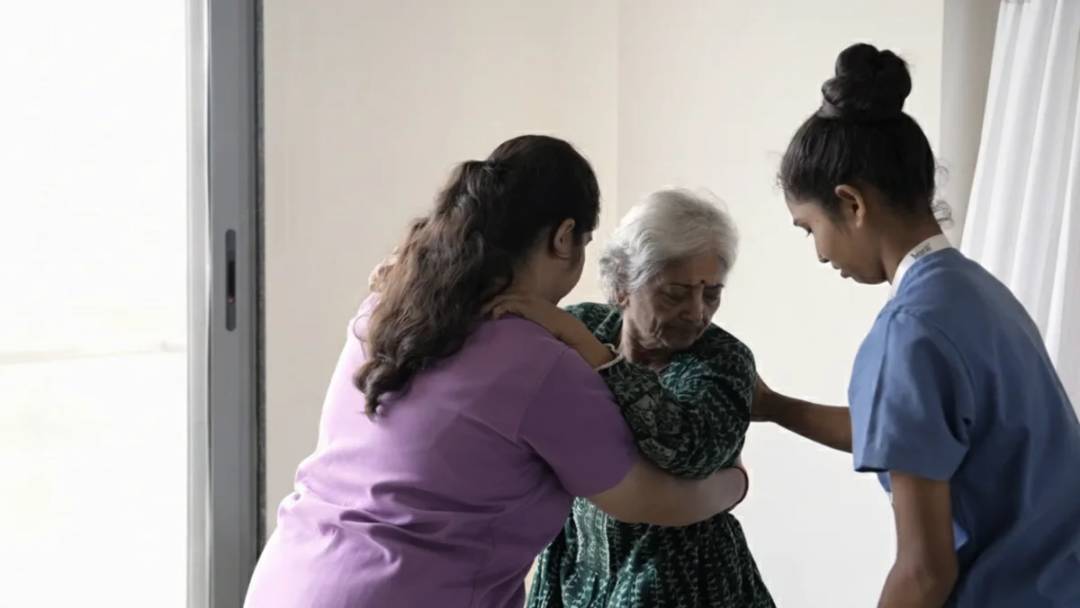
Paralysis can significantly affect a person’s mobility, independence, and quality of life. It may result from stroke, spinal cord injury, brain injury, or neurological disorders. While paralysis can be life-altering, structured neuro rehabilitation offers patients a pathway toward recovery, functional improvement, and greater independence. In Gujarat, especially in Vadodara, advanced neuro rehabilitation programs are helping paralysis patients achieve meaningful progress.
Paralysis occurs when communication between the brain and muscles is disrupted, leading to partial or complete loss of movement. Depending on the cause, paralysis may affect one side of the body (hemiplegia), both legs (paraplegia), or all four limbs (quadriplegia).
Beyond physical limitations, paralysis often affects emotional well-being, making comprehensive rehabilitation essential for holistic recovery.
Neuro rehabilitation focuses on retraining the nervous system to restore movement and function. Through repetitive, task-specific therapy, rehabilitation encourages neuroplasticity, allowing the brain to form new neural pathways.
Even when full recovery is not possible, neuro rehabilitation helps maximize remaining abilities and promotes independence.
1. Neuro Physiotherapy
Targeted exercises help improve muscle strength,
flexibility, coordination, and posture. Therapy is
designed to restore movement patterns and prevent
complications such as muscle stiffness and joint
contractures.
2. Robotic-Assisted Rehabilitation
Robotic therapy enables controlled and repetitive
movements that are difficult to achieve manually.
Robotic gait training and limb therapy are especially
beneficial for patients with severe weakness or limited
mobility.
3. Occupational Therapy
Occupational therapy focuses on improving daily living
skills such as eating, dressing, grooming, and writing,
helping patients regain functional independence.
4. Speech and Swallowing Therapy
For patients with paralysis affecting speech or
swallowing, specialized therapy improves communication
and safe eating.
5. Psychological and Emotional Support
Living with paralysis can be emotionally challenging.
Counseling and emotional support help patients stay
motivated and engaged in rehabilitation.
Neuro rehabilitation offers multiple benefits:
Improved mobility and muscle control
Reduced pain and muscle stiffness
Better balance and posture
Increased independence in daily activities
Enhanced confidence and quality of life
Consistent rehabilitation leads to gradual and sustained improvements over time.
Gujarat has developed advanced neuro rehabilitation infrastructure to support paralysis patients. Vadodara stands out for its access to experienced rehabilitation professionals and modern therapy technologies. Centers such as Kadji Care provide personalized neuro rehabilitation programs that combine physiotherapy, robotic therapy, occupational therapy, and speech rehabilitation.
Each treatment plan is customized based on the cause and severity of paralysis, ensuring optimal recovery outcomes.
Neuro rehabilitation plays a vital role in improving the lives of paralysis patients in Gujarat. With early intervention, advanced therapy techniques, and consistent care, patients can regain functional abilities and improve their independence. Modern neuro rehabilitation services in Vadodara are offering renewed hope and better recovery pathways for individuals living with paralysis.