
Neuro rehabilitation has evolved rapidly over the past decade, with robotic therapy emerging as a game-changing advancement. For patients recovering from neurological conditions such as stroke, spinal cord injury, traumatic brain injury, or Parkinson’s disease, robotic therapy is redefining recovery outcomes. In Gujarat, especially in cities like Vadodara, robotic neuro rehabilitation is becoming an essential component of modern neurological care.
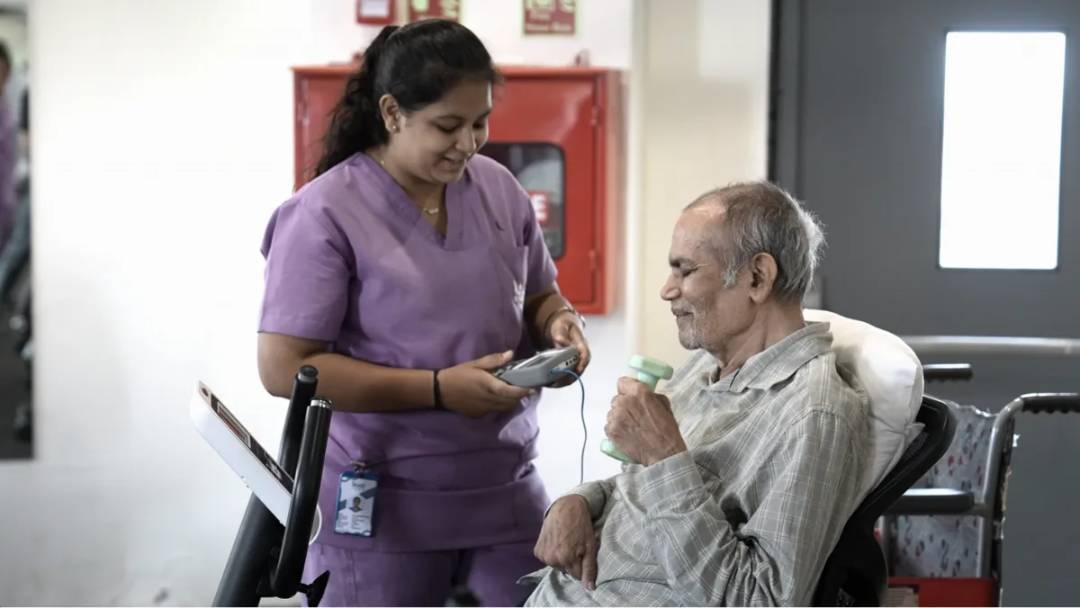
Robotic therapy uses advanced, technology-driven devices to assist patients in performing controlled and repetitive movements. These robotic systems are designed to support limbs, guide correct movement patterns, and provide consistent therapy sessions that are difficult to achieve with manual methods alone.
The primary goal of robotic therapy is to stimulate neuroplasticity, the brain’s natural ability to reorganize and form new neural connections after injury.
Neurological injuries disrupt communication between the brain and muscles. Robotic therapy helps bridge this gap by enabling high-frequency, task-specific movements that retrain the nervous system.
Key reasons robotic therapy is highly effective include:
Consistent and precise movement execution
High repetition without fatigue
Safe therapy even for severely affected patients
Objective measurement of patient progress
These factors make robotic therapy especially valuable during the early and middle stages of neuro rehabilitation.
1. Robotic Gait Training
Robotic walking systems assist patients in relearning
proper walking patterns. They provide body weight
support and guide leg movements, making mobility
training safer and more effective.
2. Upper Limb Robotic Therapy
Robotic arms help patients recover shoulder, elbow, and
hand movements essential for daily tasks such as eating,
writing, and dressing.
3. Balance and Trunk Control Therapy
Robotic platforms enhance postural control and balance,
reducing the risk of falls and improving overall
stability.
Robotic therapy offers multiple benefits for neurological patients:
Faster improvement in mobility and coordination
Reduced muscle stiffness and spasticity
Improved functional independence
Increased patient motivation through visual feedback
Data-driven progress tracking
When combined with physiotherapy, occupational therapy, and speech therapy, robotic rehabilitation delivers comprehensive recovery outcomes.
Gujarat is witnessing growing adoption of robotic rehabilitation technologies. Vadodara has become a preferred destination due to its advanced rehabilitation infrastructure and experienced specialists. Centers such as Kadji Care integrate robotic therapy into structured neuro rehabilitation programs, ensuring personalized and goal-oriented recovery for patients.
These programs are designed based on the patient’s condition, severity, and rehabilitation stage, ensuring optimal results.
Early inclusion of robotic therapy - once the patient is medically stable - significantly improves recovery outcomes. It helps prevent complications such as joint stiffness, muscle wasting, and prolonged dependency while accelerating functional recovery.
Robotic therapy has become a cornerstone of modern neuro rehabilitation in Gujarat. By combining advanced technology with expert clinical care, patients experience faster recovery, better mobility, and improved quality of life. As rehabilitation science continues to advance, robotic therapy will play an increasingly vital role in neurological recovery across Vadodara and the state of Gujarat.