
Stroke is one of the leading causes of long-term disability in India. Survivors often experience paralysis, muscle weakness, speech difficulties, and loss of balance. Traditional rehabilitation methods have helped many patients, but recent advancements in robotic rehabilitation are significantly improving stroke recovery outcomes across Gujarat, especially in cities like Vadodara.
Robotic rehabilitation uses advanced, computer-controlled devices to assist patients in performing repetitive and precise movements. These movements help retrain the brain and nervous system through neuroplasticity, enabling damaged neural pathways to relearn lost functions.
Unlike manual therapy alone, robotic systems provide consistent intensity, accuracy, and feedback - key factors in effective stroke rehabilitation.
After a stroke, the brain struggles to reconnect signals between nerves and muscles. Robotic therapy supports this process in several ways:
Enables high-repetition movements essential for neural re-learning
Maintains correct posture and movement patterns
Reduces therapist dependency while enhancing efficiency
Provides real-time feedback on patient progress
This structured approach accelerates functional recovery compared to conventional therapy alone.
1. Robotic Gait Training
Robotic walking systems help stroke patients relearn
walking patterns safely and effectively. These systems
support body weight and guide leg movements, making
early mobility possible even in severely affected
patients.
2. Upper Limb Robotic Therapy
Robotic arms assist patients in regaining hand and arm
movements required for daily activities such as eating,
writing, and dressing.
3. Balance and Postural Training
Advanced robotic platforms help improve balance,
coordination, and trunk control - critical for
preventing falls during recovery.
Robotic rehabilitation offers several advantages for stroke survivors:
Faster improvement in walking and mobility
Better muscle coordination and strength
Reduced risk of complications like muscle stiffness
Improved confidence and motivation
Objective progress tracking through digital data
These benefits make robotic therapy an essential part of modern stroke rehabilitation programs.
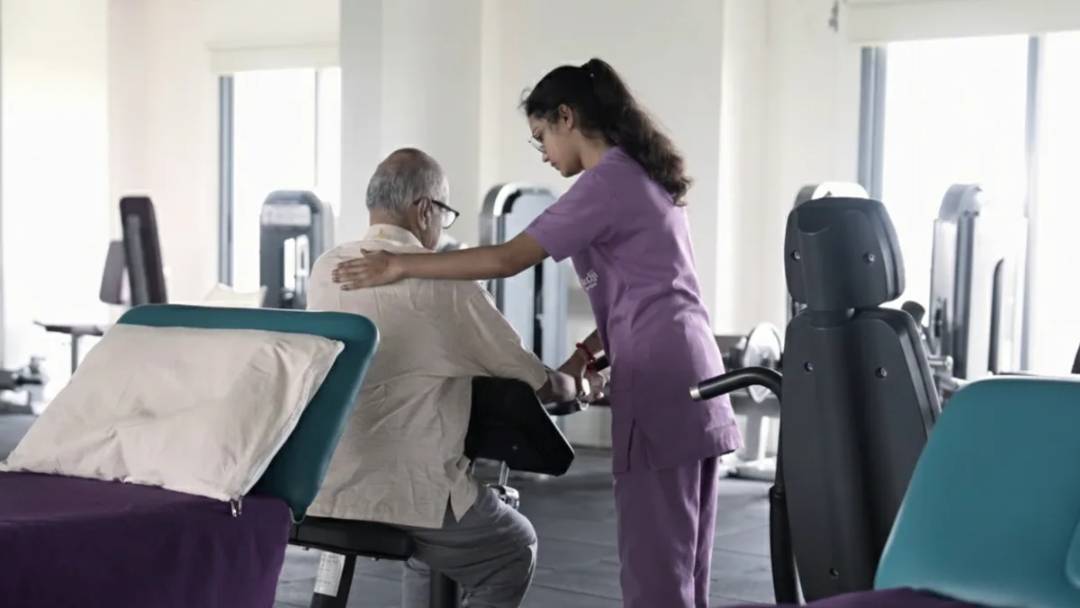
Gujarat has seen rapid growth in advanced rehabilitation facilities. Vadodara, in particular, has become a preferred destination due to its skilled rehabilitation professionals and access to modern technology. Centers like Kadji Care integrate robotic therapy with physiotherapy, occupational therapy, and speech rehabilitation for holistic stroke recovery.
Patients receive personalized treatment plans based on stroke severity, recovery stage, and functional goals.
Starting robotic rehabilitation early - once the patient is medically stable - can significantly improve recovery outcomes. Early intervention prevents muscle contractures, promotes neural adaptation, and shortens overall recovery time.
Robotic rehabilitation is redefining stroke recovery in Gujarat. By combining advanced technology with expert clinical care, stroke survivors can achieve better mobility, independence, and quality of life. As rehabilitation science continues to evolve, robotic therapy is becoming a cornerstone of effective stroke rehabilitation in Vadodara and beyond.