
Neuro rehabilitation plays a critical role in recovery from neurological conditions such as stroke, brain injury, spinal cord injury, and Parkinson’s disease. Traditionally, rehabilitation relied heavily on manual physiotherapy and therapist-led exercises. Today, robotic neuro rehabilitation has emerged as a powerful advancement, raising an important question for patients and families: robotic neuro rehab or conventional therapy - which is better?
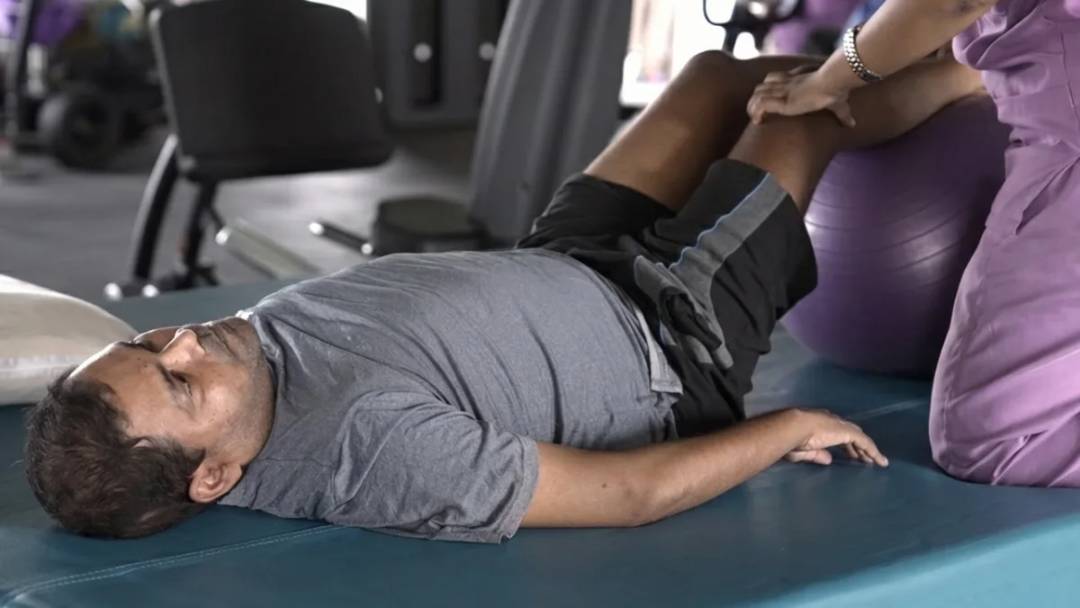
Conventional neuro rehabilitation primarily involves hands-on therapy delivered by physiotherapists and occupational therapists. Treatment focuses on improving strength, flexibility, balance, and functional movements through guided exercises.
Advantages of Conventional Therapy:
Highly personalized therapist interaction
Adaptable to patient comfort and emotional
needs
Effective for early-stage and mild
impairments
However, conventional therapy can be physically demanding for therapists and may limit the number of repetitions a patient can perform in a session, which is essential for neurological recovery.
Robotic neuro rehabilitation uses computer-controlled devices to assist patients in performing repetitive, task-specific movements with precision. These systems support limbs, guide correct movement patterns, and provide consistent therapy intensity.
Robotic therapy is designed to enhance neuroplasticity by delivering high-repetition training that would be difficult to achieve manually.
1. Consistency and Precision
Robotic therapy provides highly consistent and accurate
movements, while conventional therapy may vary based on
therapist fatigue or manual limitations.
2. Repetition and Intensity
Robotic systems enable hundreds of repetitions per
session, accelerating motor relearning. Conventional
therapy often delivers fewer repetitions.
3. Data and Progress Tracking
Robotic rehab offers measurable performance data,
helping track recovery objectively. Conventional therapy
relies more on observational assessment.
4. Patient Engagement
Visual feedback and interactive elements in robotic
therapy can improve motivation and participation.
Rather than choosing one over the other, the most effective rehabilitation programs combine robotic and conventional therapy. Conventional therapy provides human interaction, emotional support, and adaptability, while robotic therapy enhances precision and intensity.
This integrated approach ensures comprehensive recovery across physical, cognitive, and emotional domains.
Gujarat has adopted advanced rehabilitation models that blend both approaches. Vadodara, in particular, offers centers that integrate robotic systems with traditional therapy methods. Facilities such as Kadji Care use robotic therapy alongside physiotherapy, occupational therapy, and speech rehabilitation to deliver balanced and effective recovery programs.
The choice between robotic and conventional therapy depends on several factors, including the patient’s condition, severity of impairment, recovery stage, and goals. A rehabilitation specialist can determine the most suitable combination based on individual needs.
Robotic neuro rehabilitation and conventional therapy both play essential roles in neurological recovery. While robotic therapy offers precision, consistency, and intensity, conventional therapy provides personalized care and human support. When combined, they deliver the best possible rehabilitation outcomes, helping patients regain independence and improve quality of life.