

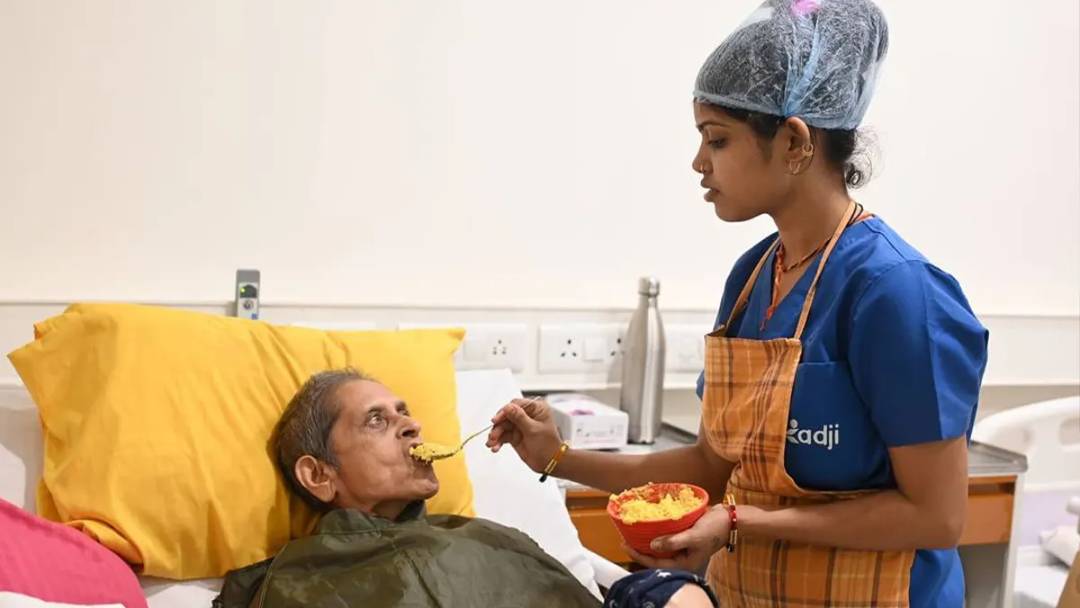
Traumatic Brain Injury (TBI) is a severe medical condition resulting from sudden head trauma, affecting individuals from various incidents. Traumatic brain injury inpatient rehabilitation is crucial for recovery, addressing neurological disorders, and improving outcomes and quality of life for severe cases.
Traumatic Brain Injury (TBI) is brain damage caused by sudden head trauma, ranging from mild to severe. It results in various symptoms and complications, impacting physical, cognitive, and emotional functions. TBI can occur due to falls, accidents, or assaults. Prompt medical attention is vital for the proper diagnosis and treatment. Rehabilitation for neurological disorders plays a vital role in TBI recovery, focusing on restoring functional abilities and improving overall quality of life.
Rehabilitation centers play a crucial role in aiding recovery from traumatic brain injury (TBI) and other neurological disorders. They provide specialized care and therapies tailored to individual needs, aiming to restore physical, cognitive, and emotional functions. Traumatic brain injury inpatient rehabilitation fosters independence and enhances the overall quality of life for TBI survivors.
Traumatic Brain Injury Inpatient Rehabilitation is a specialized program offered by rehabilitation centers to aid recovery from TBI. It provides intensive, round-the-clock care and therapies tailored to individual needs, focusing on restoring physical, cognitive, and emotional functions. Inpatient rehabilitation promotes independence and improves the overall quality of life for TBI survivors, facilitating comprehensive rehabilitation for neurological disorders, rehabilitation for brain tumors patients.
Rehabilitation centers offer various therapies to aid recovery from traumatic brain injury (TBI). These include physical therapy, occupational therapy, speech and language therapy, and cognitive therapy. Tailored to individual needs, these therapies aim to restore function and independence in physical, cognitive, and communication abilities for TBI survivors.
Rehabilitation for neurological disorders offers numerous benefits,enhancing overall well-being and quality of life.
1. It aids in improving functional abilities, such as
•
Mobility,
• Speech
• Cognitive function
promoting
independence and participation in daily activities.
2. Rehabilitation also provides emotional support and empowers individuals to cope effectively with the challenges of neurological conditions.
Traumatic Brain Injury (TBI) rehabilitation presents several challenges, including cognitive and emotional recovery hurdles. Patients may face difficulties with memory, attention, and mood regulation. Additionally, long-term support and management are essential, as TBI survivors often require ongoing care to address persistent symptoms and maintain functional independence. Traumatic brain injury inpatient rehabilitation addresses these challenges through specialized programs tailored to individual needs.
Financing rehabilitation services for traumatic brain injury (TBI) and other neurological disorders can be complex. While insurance coverage may assist, the extent varies. Patients should explore options such as Medicaid, Medicare, or private insurance plans. Additionally, financial assistance programs and grants may provide support for those in need, ensuring access to vital rehabilitation services.
Recovery from traumatic brain injury requires comprehensive rehabilitation, often provided by specialized centers. Through tailored programs and therapies, these centers offer hope and support for individuals and families affected by TBI and neurological disorders.