
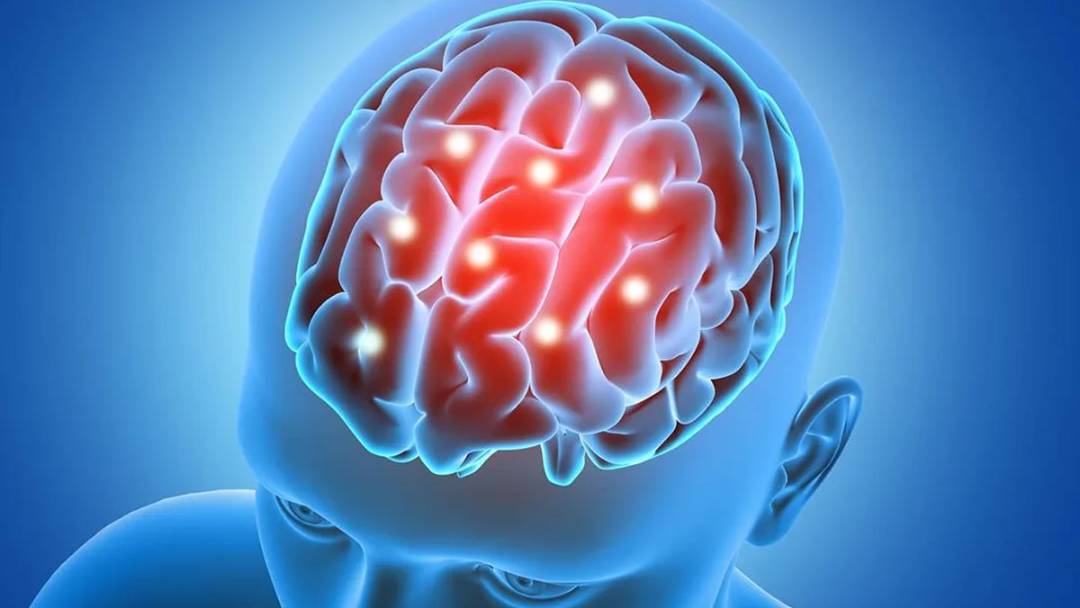
The human brain, a marvel of complexity, governs everything from movement and sensation to thought and emotion. But sometimes, this intricate network can be disrupted by neurological disorders - a vast umbrella term encompassing a range of conditions that affect the nervous system. These disorders can be sudden and life- altering, leaving individuals facing a new reality of limitations and challenges.
However, amidst the battlefield of neurological disorders, there exists a powerful weapon - rehabilitation. Rehabilitation is not about surrendering to limitations; it's about reclaiming independence, rebuilding skills, and maximizing your potential. It's a tailored approach designed to address the specific needs of each individual, empowering them to navigate the challenges and emerge stronger.
This blog delves into the world of neurological disorders, exploring specific conditions and the tailored rehabilitation strategies that can equip you for success. We'll explore the benefits of a multi-disciplinary team approach and discuss lifestyle modifications that can complement your rehabilitation journey. Remember, rehabilitation is a marathon, not a sprint. With dedication, perseverance, and the right support network, you can reclaim your life and rewrite your story.
1. Understanding the Enemy - A Glimpse into Common
Neurological Disorders
• Rehabilitation for
Neuroinfection Patients
• Rehabilitation for Brain
Tumor Patients
• Rehabilitation for Traumatic Brain
Injury (TBI) Patients
• Rehabilitation for Nervous
System Disorders Patients
2. Building Your Personalized Arsenal - Tailored
Rehabilitation Strategies
• Physical Therapy for
Improved Mobility and Function
• Occupational Therapy
for Regaining Daily Living Skills
• Speech-Language
Pathology for Communication Restoration
• Cognitive
Rehabilitation for Enhanced Thinking and Memory
•
Mental Health Support for Emotional Wellbeing
3. The Power of Teamwork - The Rehabilitation Team and You
4. Beyond Therapy - Lifestyle Modifications for Long-Term
Success
• Maintaining a Healthy Diet
•
Prioritizing Quality Sleep
• Managing Stress
Effectively
• Embracing Physical Activity
5. The Road to Recovery - A Journey with Hope and Perseverance
6. Conclusion: Reclaiming Your Life - You Are Not Alone
Rehabilitation for neurological disorders isn't a one-size-fits-all approach. Rather, it's a personalized strategy designed to address your unique needs and goals. Here are some key areas where therapists can help you build your arsenal for recovery:
1. Rehabilitation for Neuroinfection Patients: Infections like meningitis and encephalitis can attack the brain and spinal cord, causing inflammation and damage that can lead to weakness, coordination problems, and cognitive deficits. Rehabilitation helps regain lost skills, improve balance, and retrain cognitive processes like memory and problem-solving.
• Rehabilitation for Brain Tumor Patients: Surgery, radiation, and chemotherapy can leave patients with a range of impairments depending on the tumor location and size. Rehabilitation plays a vital role in addressing mobility issues, communication problems, and cognitive challenges. Therapists work to improve strength, and coordination, and help individuals relearn daily activities.
• Rehabilitation for Traumatic Brain Injury (TBI) Patients: TBI can cause a spectrum of physical, cognitive, and emotional difficulties. Rehabilitation focuses on regaining lost skills, managing cognitive deficits like memory problems, and improving emotional well-being. Therapists work with patients to develop strategies for managing daily tasks and coping with emotional challenges.
• Rehabilitation for Nervous System Disorders Patients: Conditions like Parkinson's disease, Multiple Sclerosis (MS), and stroke can significantly impact movement, speech, and balance. Rehabilitation aims to maximize remaining abilities, promote independent living, and manage symptoms. Therapists utilize various techniques to improve gait, speech clarity, and coordination.
This is just a glimpse into the vast array of neurological disorders. Rehabilitation programs are constantly evolving to address the specific needs of each condition.
Rehabilitation for neurological disorders isn't a one-size-fits-all approach. Rather, it's a personalized strategy designed to address your unique needs and goals. Here are some key areas where therapists can help you build your arsenal for recovery:
• Physical Therapy for Improved Mobility and Function: Physical therapists work to improve muscle strength, coordination, balance, and flexibility. This can involve exercises designed to increase range of motion, improve gait patterns, and enhance overall mobility. Therapists also help with gait training, transferring skills, and adapting equipment to promote independent living.
• Occupational Therapy for Regaining Daily Living Skills: Occupational therapists focus on helping patients regain skills necessary for daily activities. This can involve adaptive techniques for dressing, bathing, cooking, and self-care. Therapists may also recommend assistive devices and modifications to the home environment to promote independence and safety.
• Speech-Language Pathology for Communication Restoration: Speech-language pathologists play a crucial role in helping patients with communication difficulties caused by neurological disorders. This may involve therapies to address the following:
1. Aphasia: Difficulty with speaking, understanding, reading, or writing. Therapists develop strategies to improve communication skills through alternative methods or retraining existing pathways.
2. Dysarthria: Weakness or incoordination of the muscles used for speech, leading to slurred or strained speaking. Therapists work on improving muscle control and developing compensatory techniques for clearer speech.
3. Dysphagia: Difficulty swallowing. Speech-language pathologists recommend safe swallowing techniques and work with patients to strengthen the muscles involved in swallowing.
Cognitive rehabilitation focuses on improving cognitive skills that may be affected by neurological disorders. This can include:
• Memory training: Techniques to improve memory function and develop strategies for remembering information.
• Attention training: Exercises to enhance focus, concentration, and filtering out distractions.
• Problem-solving training: Strategies to improve decision-making and planning skills.
• Executive function training: Techniques to enhance organization, time management, and self-monitoring skills.
Neurological disorders can significantly impact a person's emotional well-being. Rehabilitation programs often incorporate mental health support to address:
• Depression: Therapists can provide cognitive-behavioral therapy (CBT) and other techniques to manage symptoms of depression.
• Anxiety: Strategies for relaxation and stress management can help individuals cope with anxiety related to their condition.
• Social isolation: Rehabilitation programs can help individuals develop social skills and connect with support groups, fostering a sense of belonging.
Rehabilitation is a collaborative effort, and you are an integral part of the team. Your therapists, doctors, nurses, and caregivers all work together to create a personalized plan that addresses your specific needs and goals. Here's how each member contributes:
• Physician: Provides medical oversight, monitors progress, and prescribes medications if necessary.
• Physical Therapist: Works on improving mobility, strength, and coordination.
•Occupational Therapist: Helps regain skills for daily living activities.
• Speech-Language Pathologist: Assists with communication difficulties like aphasia, dysarthria, and swallowing problems.
• Cognitive Rehabilitation Therapist: Develop strategies to improve cognitive skills like memory, attention, and problem-solving.
• Mental Health Professional: Provides support for emotional well-being and helps manage conditions like depression and anxiety.
• Nurse: Provides ongoing medical care, monitors vitals, and administers medications.
• Caregivers: Assist with daily living activities and provide emotional support.
Rehabilitation extends beyond therapy sessions. Here are some lifestyle modifications that can significantly enhance your recovery journey:
• Maintaining a Healthy Diet: A balanced diet rich in fruits, vegetables, and whole grains provides the body with essential nutrients for healing and overall well-being.
• Prioritizing Quality Sleep: Adequate sleep allows the brain to rest and repair itself, promoting cognitive function and emotional regulation.
• Managing Stress Effectively: Chronic stress can impede recovery. Relaxation techniques like deep breathing, meditation, and yoga can help manage stress levels.
• Embracing Physical Activity: Regular exercise, even low-impact activities like walking or swimming, can improve physical fitness, cognitive function, and mood.
The road to recovery from a neurological disorder is a marathon, not a sprint. There will be setbacks and challenges along the way. However, with hope, perseverance, and the right support system, you can achieve remarkable progress. Here are some tips to stay motivated:
• Set realistic goals: Break down your larger goals into smaller, achievable steps. Celebrate your accomplishments, no matter how small.
• Focus on progress, not perfection: Don't get discouraged by setbacks. Focus on the improvements you've made and celebrate your progress.
• Educate yourself: Learn as much as you can about your condition. Knowledge empowers you to make informed decisions about your care.
• Find your support system: Connect with support groups or online communities to connect with others facing similar challenges.
A neurological disorder diagnosis can be overwhelming, but remember, you are not alone. Rehabilitation offers a powerful path to reclaiming your life and maximizing your potential. With a dedicated team, a personalized plan, and a commitment to healthy lifestyle choices, you can overcome challenges and experience a fulfilling life.A neurological disorder diagnosis can be overwhelming, but remember, you are not alone. Rehabilitation offers a powerful path to reclaiming your life and maximizing your potential. With a dedicated team, a personalized plan, and a commitment to healthy lifestyle choices, you can overcome challenges and experience a fulfilling life.