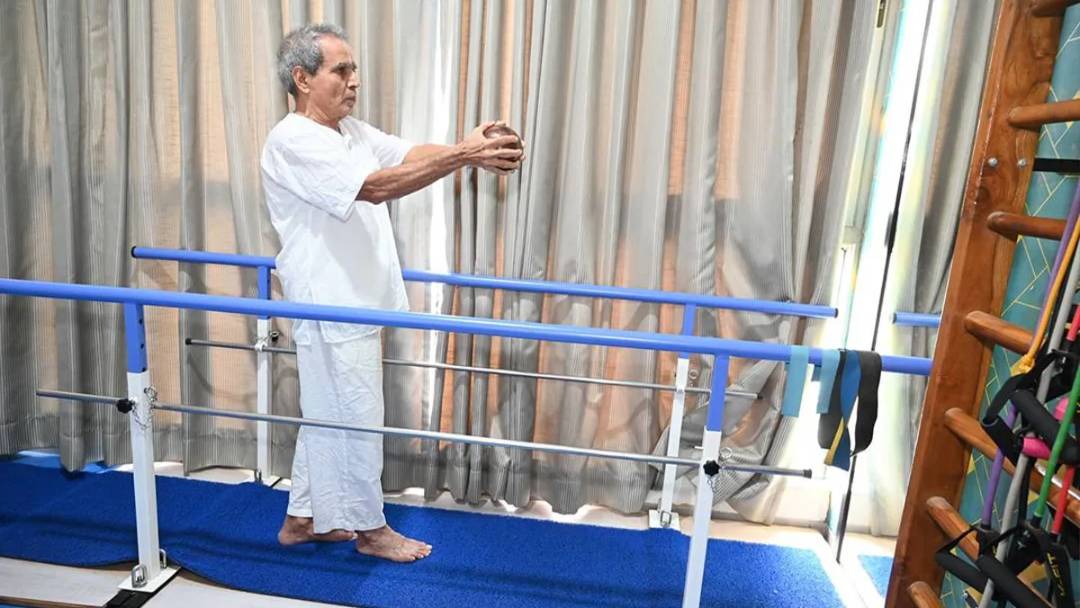
Introduction
As we age, our bodies undergo natural changes that can
sometimes lead to reduced mobility, strength, and overall
independence. This is where rehabilitation plays a crucial
role in improving the quality of life for seniors.
Rehabilitation programs are designed to help seniors
regain or maintain their physical and cognitive abilities,
allowing them to live more independently and comfortably.
Table of Contents
1. Introduction
2. Understanding Rehabilitation for
Seniors
3. Benefits of Rehabilitation for Seniors
4.
Types of Rehabilitation Programs
5. Mental and
Emotional Well-being
6. Conclusion
7. FAQS
Understanding Rehabilitation for Seniors
Rehabilitation for seniors
encompasses a range of therapies and interventions
aimed at addressing specific health challenges
commonly faced in later stages of life. These
challenges may include:
• Mobility Issues:
Seniors often experience
difficulties with walking, balance, and coordination due
to conditions like arthritis, osteoporosis, or stroke.
• Strength and Endurance:
Loss of muscle
strength and endurance can impact daily activities such as
climbing stairs, lifting objects, or even getting out of
bed.
• Cognitive Function:
Conditions such as
dementia or Alzheimer's disease can affect memory,
judgment, and decision-making abilities, making it
challenging for seniors to perform routine tasks
independently.
• Pain Management:
Chronic pain from
conditions like back pain, joint problems, or post-surgery
recovery can significantly reduce quality of life if not
effectively managed.
Benefits of Rehabilitation for Seniors
• Restoring Independence:
Rehabilitation programs focus on restoring and
maintaining functional abilities, enabling seniors to
carry out daily tasks independently. This not only
enhances their confidence but also reduces their
reliance on caregivers.
• Improving Physical Health:
Through targeted exercises and therapies, rehabilitation
helps improve muscle strength, flexibility, and
cardiovascular health. This reduces the risk of falls,
promotes better posture, and enhances overall physical
well-being.
• Enhancing Cognitive Function:
Certain rehabilitation techniques, such as cognitive
rehabilitation and memory training, can help seniors
maintain cognitive function and delay the progression of
cognitive decline associated with aging.
• Managing Chronic Conditions:
Effective rehabilitation strategies aid in managing
chronic conditions like arthritis or diabetes, reducing
pain levels, and improving overall disease management.
• Promoting Social Engagement:
Many rehabilitation programs include group
activities or therapy sessions, fostering social
interaction among seniors. This social engagement is
vital for mental well-being and can help combat feelings
of loneliness and isolation.
Types of Rehabilitation Programs
• Physical Therapy:
Focuses on improving
mobility, strength, and balance through exercises,
stretches, and manual techniques tailored to individual
needs.
• Occupational Therapy:
Helps seniors regain or maintain the ability to perform
daily activities (such as dressing, cooking, or using
the bathroom) independently by adapting their
environment or teaching new techniques.
• Speech Therapy:
Addresses communication disorders and swallowing
difficulties commonly seen in seniors, improving speech
clarity and swallowing function.
• Pain Management Programs:
Utilizes various techniques such as medication
management, physical modalities (like heat or cold
therapy), and psychological strategies to alleviate
chronic pain and improve quality of life.
Mental and Emotional Well-being
Rehabilitation plays a crucial role in enhancing the
mental and emotional well-being of seniors. It helps
alleviate depression, anxiety, and feelings of isolation
by promoting social interaction and fostering a sense of
accomplishment. Through tailored activities and
therapies, seniors can engage in meaningful pursuits
that boost their self-esteem and cognitive function.
Additionally, mental health support and counseling
provided during rehabilitation help seniors cope with
the emotional challenges of aging and illness. By
addressing both physical and psychological needs,
rehabilitation ensures a holistic approach to improving
seniors' overall quality of life, enabling them to lead
happier, more fulfilling lives.
Let's not forget the mental health aspect. Regular
physical activity has been shown to improve mood and
reduce anxiety and depression. Plus, achieving small
victories in physical therapy can boost your confidence
and overall outlook on life.
Conclusion
In conclusion, rehabilitation is not just about
recovering from injuries; it's about enhancing the
overall quality of life for seniors. By addressing
physical limitations, cognitive decline, and chronic
conditions, rehabilitation enables seniors to remain
active, independent, and engaged in their communities.
It's a proactive approach that empowers seniors to age
gracefully and comfortably, enjoying life to the fullest
extent possible.
At Kadji Care in Vadodara, we understand the importance
of personalized rehabilitation programs tailored
to the unique needs of each senior. Through
compassionate care and evidence-based practices, we
strive to make a positive difference in the lives of our
residents, promoting health, happiness, and
independence.