
Stroke recovery is a gradual process that unfolds over weeks and months, and in some cases, years. Understanding the stroke rehabilitation timeline helps patients and families set realistic expectations and stay motivated throughout recovery. While every patient’s journey is unique, structured neuro rehabilitation significantly improves outcomes at every stage. In Gujarat, advanced rehabilitation services are helping stroke survivors navigate each phase of recovery more effectively.
The acute phase begins immediately after a stroke and focuses on medical stabilization. During this stage, the primary goal is to prevent complications such as muscle stiffness, pressure sores, and respiratory issues.
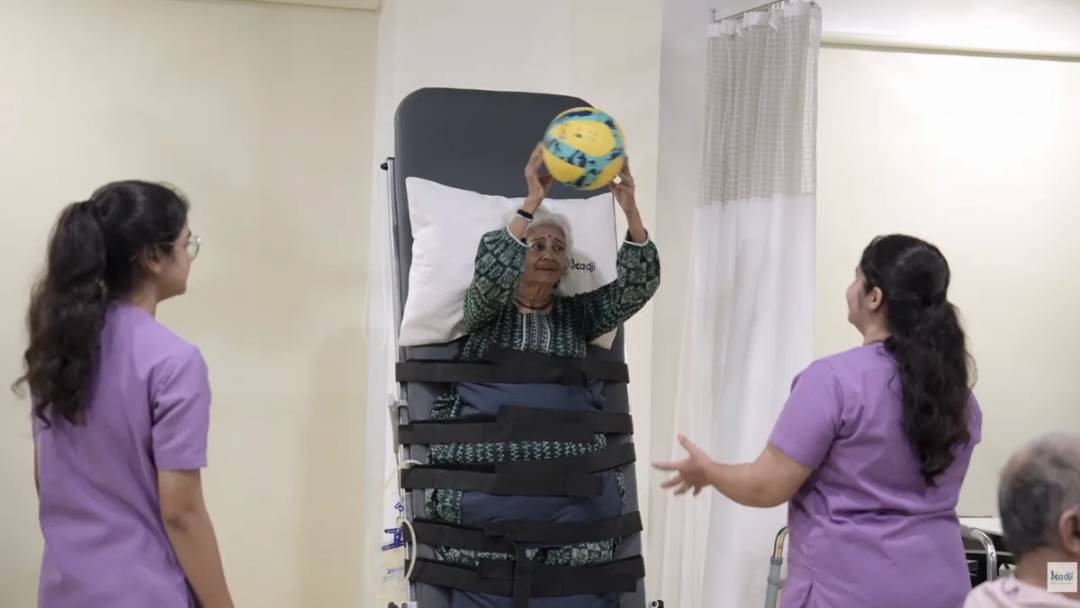
Early rehabilitation may begin in the hospital with gentle movements, positioning, and breathing exercises. Once the patient is medically stable, transfer to a dedicated neuro rehabilitation program is recommended.
This phase is considered the most critical for stroke recovery. The brain is highly responsive to rehabilitation due to increased neuroplasticity.
Key rehabilitation focus areas include:
Neuro physiotherapy to restore basic
movements
Assisted sitting, standing, and walking
Speech and swallowing therapy
Cognitive rehabilitation
Early and intensive therapy during this phase often leads to significant functional improvements.
During the subacute phase, patients continue to make steady progress. Rehabilitation intensity increases, and therapy becomes more task-oriented.
Common goals include:
Improving walking endurance and balance
Enhancing hand and arm function
Increasing independence in daily activities
Strengthening communication and cognitive
skills
Advanced therapies such as robotic-assisted rehabilitation are often introduced during this stage to enhance recovery.
Even after six months, recovery continues with consistent rehabilitation. Although progress may slow, patients can still achieve meaningful improvements.
Focus areas include:
Refining movement and coordination
Managing spasticity and stiffness
Improving functional independence
Preventing secondary complications
Long-term rehabilitation plays a key role in maintaining gains and improving quality of life.
Several factors affect the recovery timeline:
Severity and type of stroke
Age and overall health
Timeliness of rehabilitation
Consistency of therapy
Family and caregiver support
Patients who receive early, continuous, and personalized rehabilitation tend to achieve better outcomes.
Gujarat offers advanced stroke rehabilitation services through specialized centers in Vadodara. Facilities like Kadji Care provide structured rehabilitation programs that guide patients through each phase of recovery using neuro physiotherapy, robotic therapy, occupational therapy, and speech rehabilitation.
Understanding the stroke rehabilitation timeline helps patients and families stay informed and prepared throughout recovery. While stroke recovery is a long-term journey, timely and advanced neuro rehabilitation can significantly improve functional outcomes. With expert care and modern rehabilitation services in Gujarat, stroke survivors can achieve greater independence and a better quality of life over time.