
Robotic rehabilitation technology has transformed the way neurological recovery is delivered, offering precision, consistency, and measurable outcomes. For patients recovering from stroke, brain injury, spinal cord injury, or neurological weakness, modern robotic systems are helping accelerate recovery and improve functional independence. Vadodara has emerged as a leading center in Gujarat for adopting the latest robotic rehabilitation technologies.
Traditional rehabilitation relied heavily on manual therapy, which, while effective, has limitations in terms of repetition and consistency. Robotic rehabilitation bridges this gap by enabling high-intensity, task-specific training that is essential for neuroplasticity - the brain’s ability to rewire itself after injury.
Modern robotic systems are designed to work alongside therapists, enhancing treatment outcomes rather than replacing human care.
1. Robotic Gait Training Systems
These advanced devices assist patients in relearning
walking patterns through guided leg movements and
body-weight support. They allow early initiation of
walking therapy, even for patients with severe mobility
limitations.
2. Upper Limb Robotic Devices
Robotic arms and exoskeletons help restore movement in
shoulders, elbows, wrists, and hands. These devices
enable repetitive practice, which is crucial for
regaining fine motor skills and daily functional
abilities.
3. Balance and Postural Control Platforms
Robotic balance systems challenge and improve trunk
control, coordination, and stability. These platforms
are especially useful for patients with post-stroke
balance issues and fall risk.
4. Sensor-Based Feedback Systems
Many robotic technologies include real-time visual and
performance feedback. This data-driven approach helps
therapists adjust therapy intensity and motivates
patients by showing measurable progress.
The latest robotic rehabilitation technologies offer several advantages:
High repetition with precise movement control
Reduced physical strain on therapists
Objective tracking of patient progress
Faster improvement in mobility and
coordination
Increased patient engagement and motivation
These benefits make robotic rehabilitation an essential component of modern neuro rehabilitation programs.
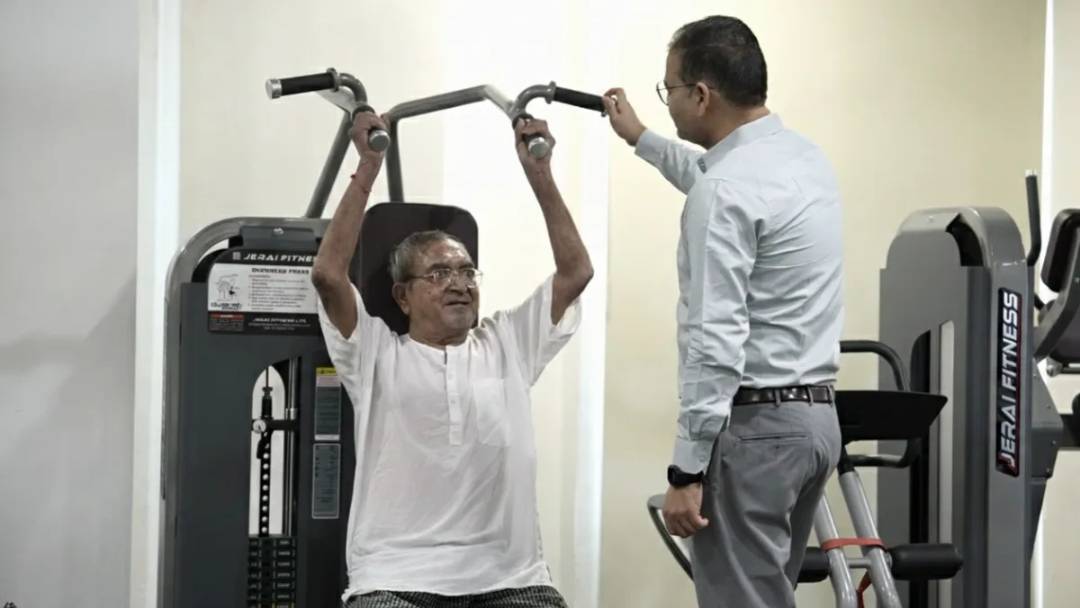
Vadodara is at the forefront of robotic rehabilitation adoption in Gujarat. Specialized centers offer integrated programs that combine robotic therapy with neuro physiotherapy, occupational therapy, and speech rehabilitation. Facilities such as Kadji Care utilize advanced robotic systems to deliver personalized and goal-oriented rehabilitation plans.
Patients receive structured therapy based on their condition, recovery stage, and functional goals, ensuring optimal use of technology for recovery.
While robotic systems provide precision and consistency, expert therapist supervision is critical. Therapists customize therapy parameters, monitor safety, and ensure that robotic rehabilitation aligns with overall recovery goals.
The latest robotic rehabilitation technologies are redefining recovery standards in Vadodara. By combining advanced robotics with expert clinical care, patients experience faster, safer, and more effective neurological recovery. As technology continues to evolve, robotic rehabilitation will remain a vital pillar of advanced neuro rehabilitation in Gujarat.